Ao Nang, Krabi: Is It Worth Staying? First Impressions After 10 Nights
Ao Nang is not quiet.
That was our first impression after arriving in southern Thailand.
It is busy. Loud. Tour booths line the streets. Longtail boats fill the shore. Restaurants compete for attention. Music spills onto the sidewalks at night.
Of all the places we visited in Thailand, Ao Nang felt the most touristy. And yet, we stayed for 10 nights.
Not because it was charming. Because it worked.
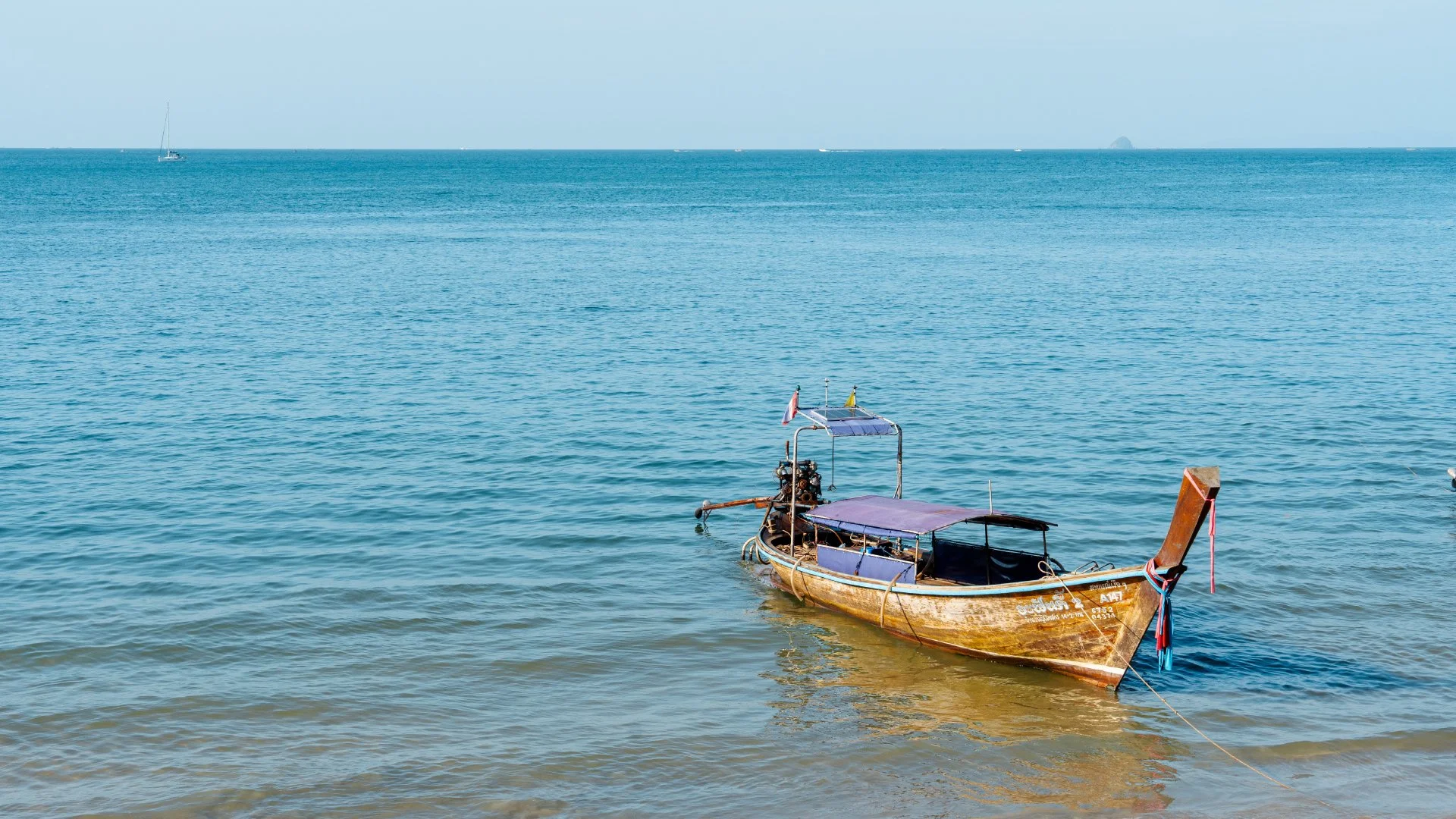
Longtail boat at Ao Nang beach
A Base That Makes Sense
We used Ao Nang as a base. And in that role, it delivered.
From the beach, longtail boats leave throughout the day toward Railay Beach. The ride takes about 10 to 15 minutes. We went twice.
Each time, the shift felt dramatic. Limestone cliffs rising straight out of the water. A slower rhythm. A landscape that feels almost exaggerated in scale.
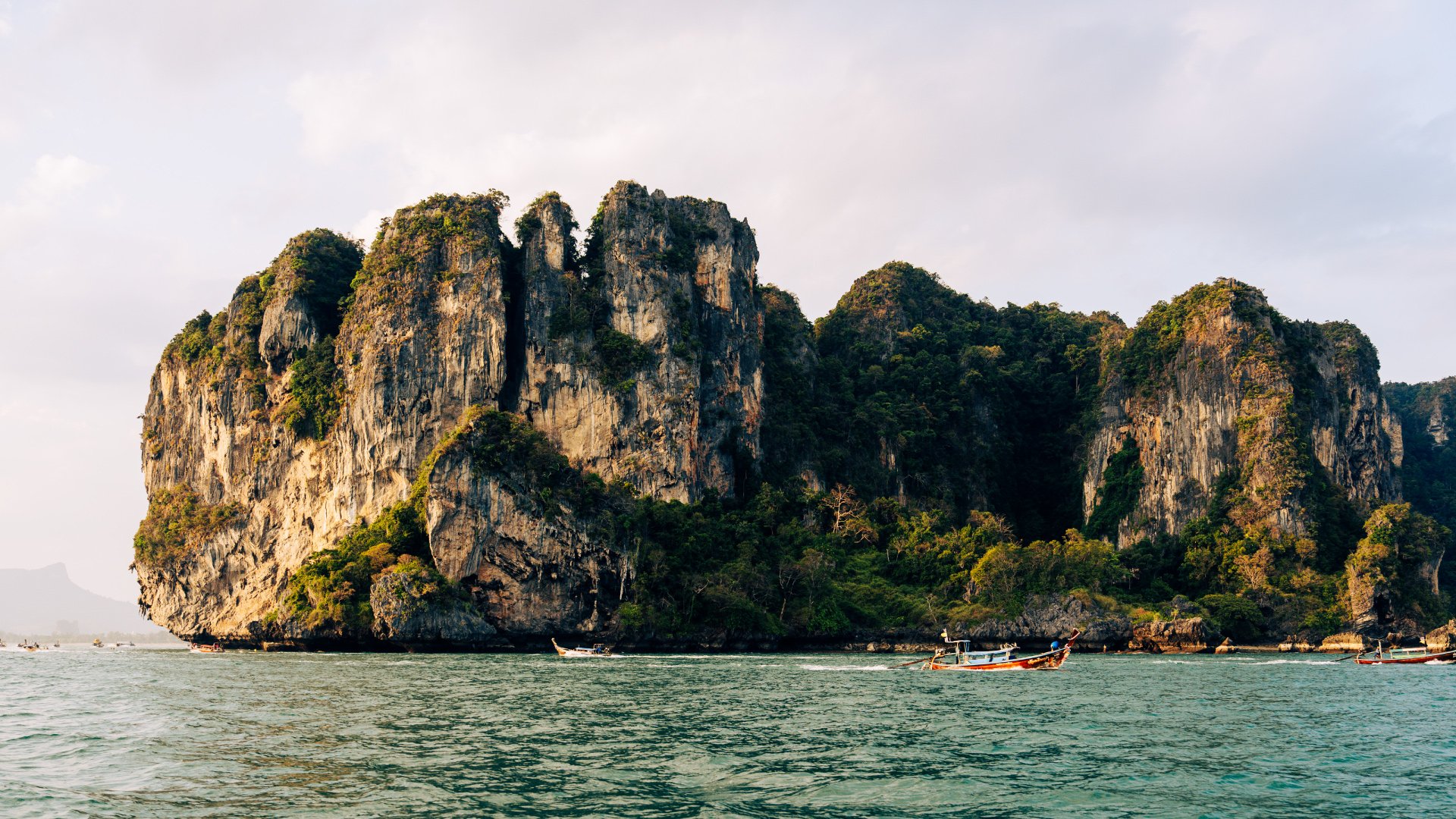
Limestone cliffs rising above Railay Beach near Ao Nang, Krabi
Beyond Railay, we did the Hong Islands tour, one of the area's classic routes. Turquoise water. Narrow lagoons. Towering rock formations. The kind of scenery that explains why southern Thailand is photographed the way it is.
We could have done more. Phi Phi Islands were an option. More island tours were available every day.
We chose not to.
Part of what we value when traveling is avoiding heavy crowds. Ao Nang already felt busy enough. We did not feel the need to chase every possible boat tour just because it was there.
More Than Beaches
What made Ao Nang more interesting for us was everything outside the water.
We rented a scooter on the days we wanted to explore further. It was simple, affordable, and gave us full flexibility.
From there, the area opened up.
Dragon Crest Mountain offered one of the best viewpoints in the region. A demanding hike, but worth the effort.
Tiger Cave Temple pushed us up hundreds of steps to a panoramic view that makes you question your life choices halfway through.
The Blue Lagoon and smaller natural spots around Krabi gave us quieter moments away from the main strip.
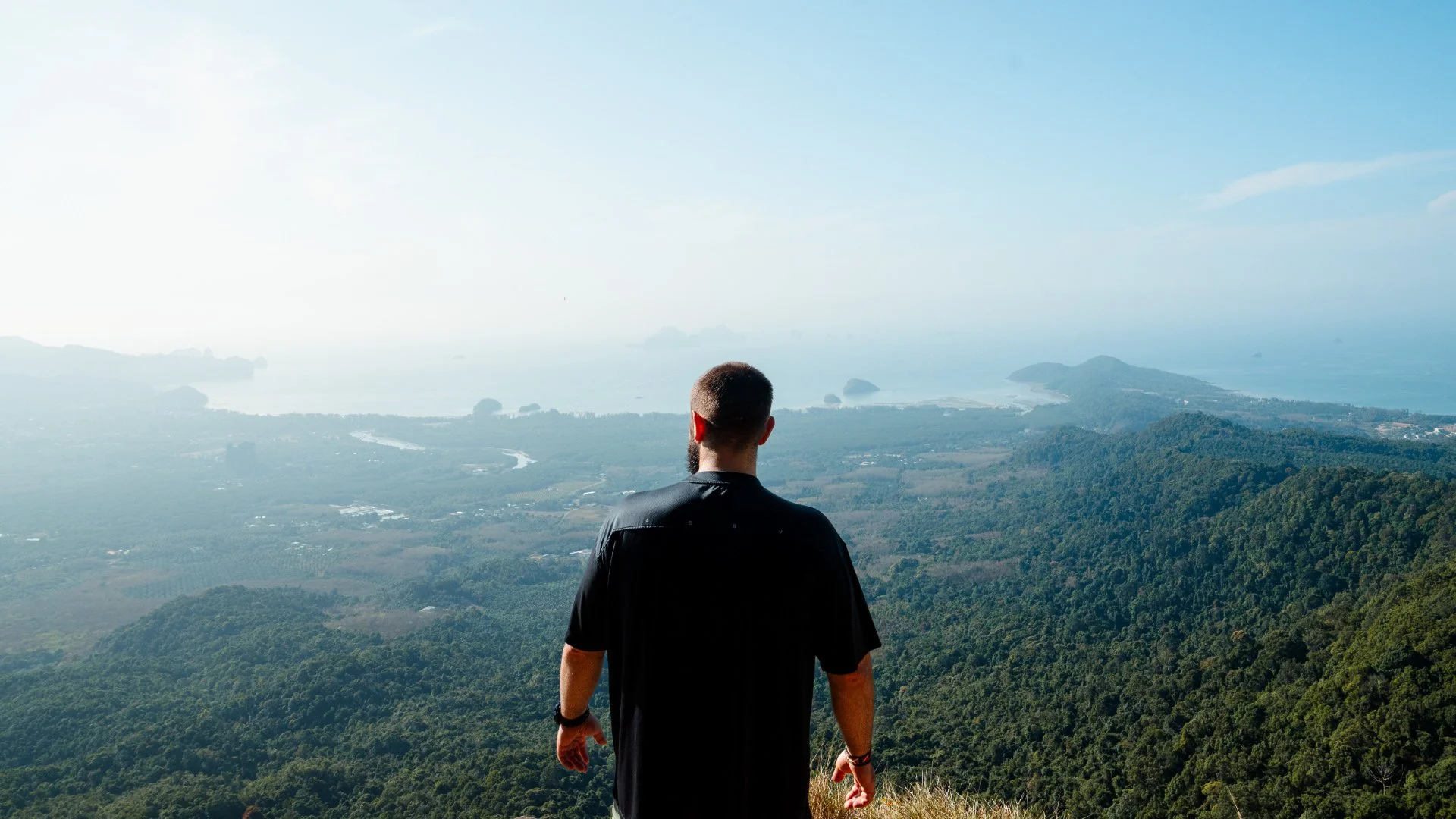
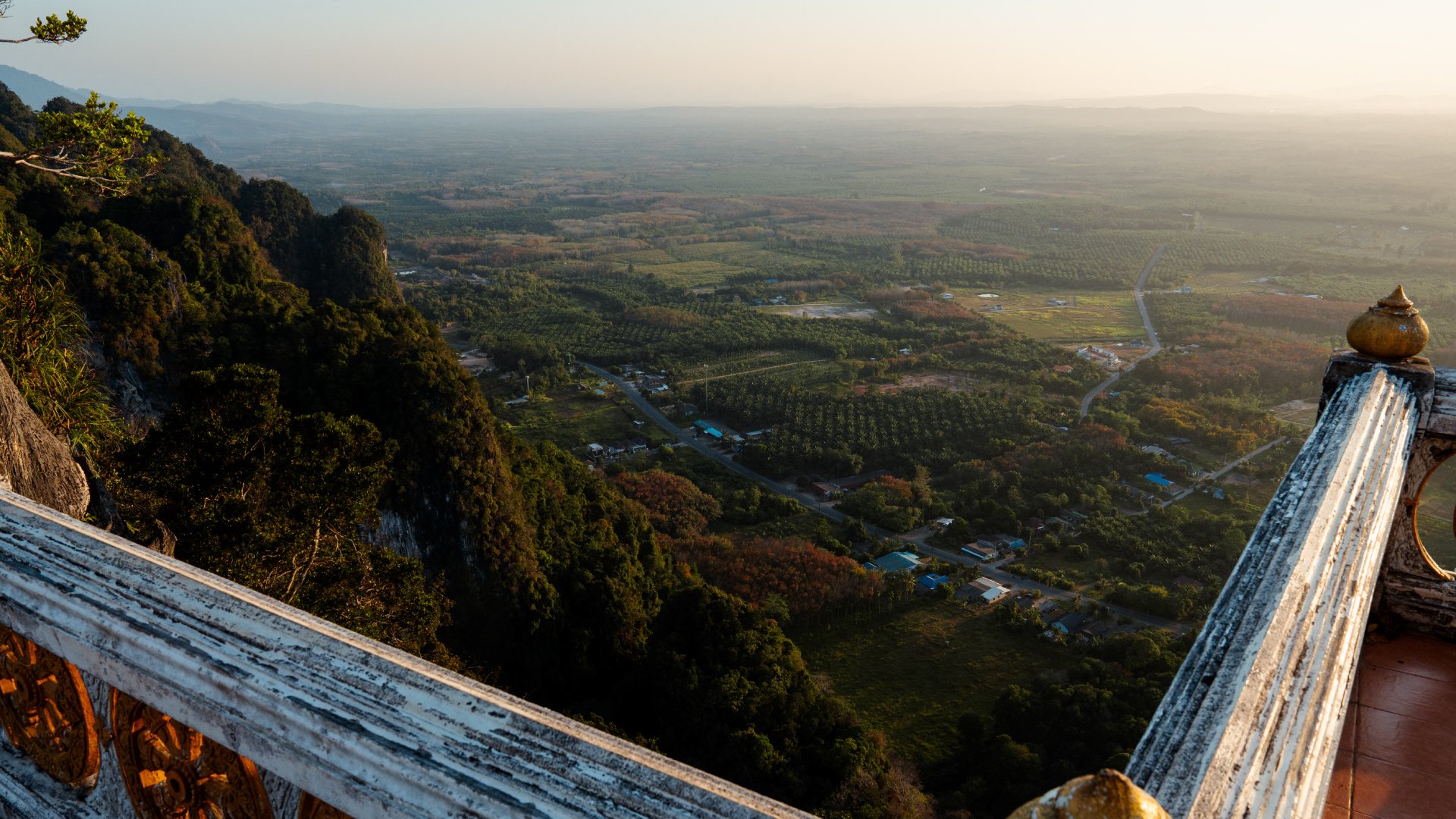
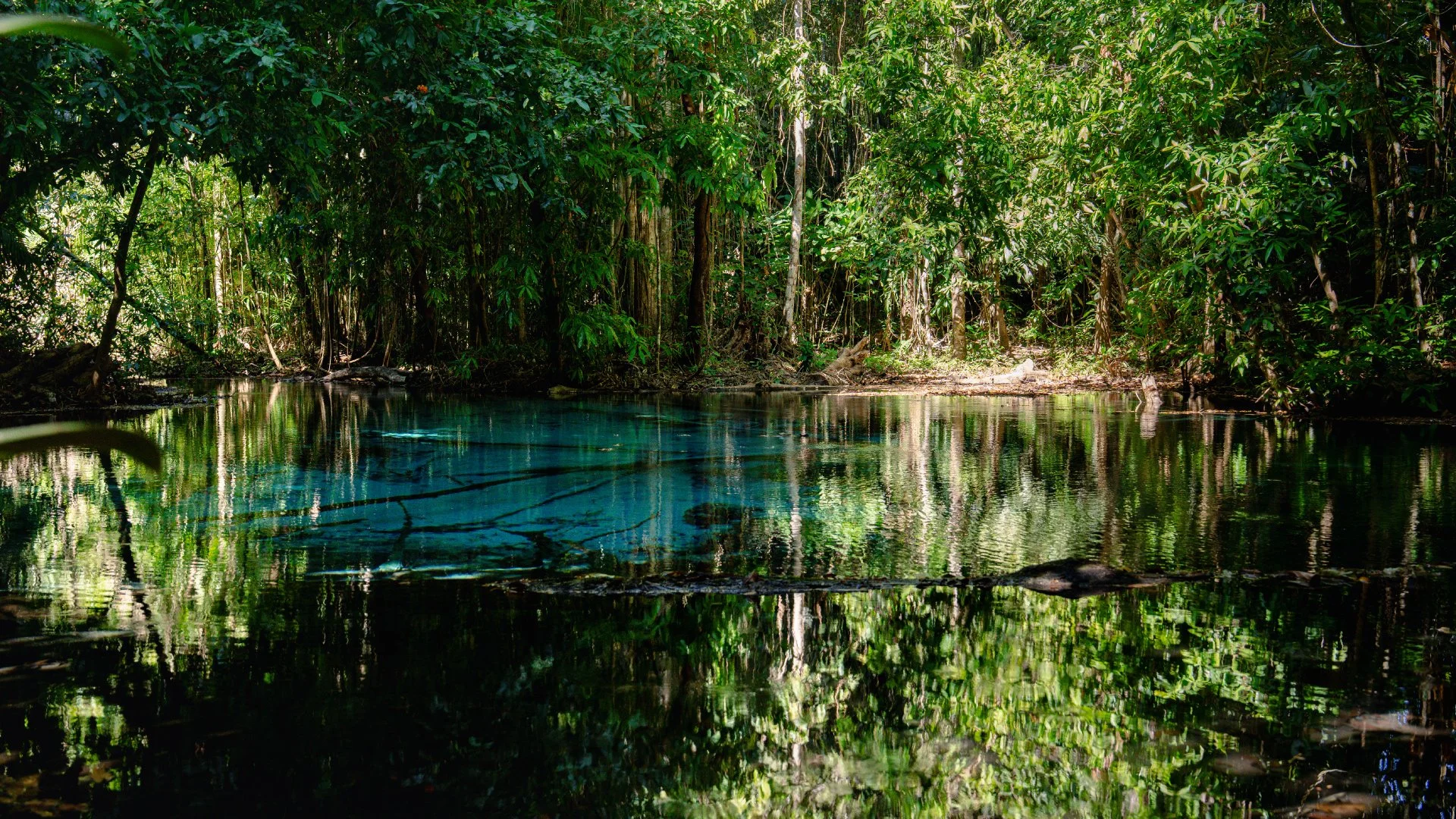
This is where Ao Nang started to grow on me.
It allowed us to balance work and movement. We could spend the morning focused, take a break for sunset at the beach, and dedicate full days to hiking or island hopping without changing accommodations every two nights.
For slow travel, that stability matters.
The Food Situation
At first, the food felt generic. Too many menus looked similar. Too many places clearly catered to short-term visitors. But the longer we stayed, the better it got.
We walked further. Ate where locals were sitting. Tried smaller places off the main road. The quality improved quickly once we stopped choosing based on convenience alone.
Ao Nang rewards exploration, even within its tourist framework.
The Tradeoff
Ao Nang is built for tourism.
That means convenience. But it also means crowds.
The beach itself is not the most impressive in the region. Prices are slightly higher than in less developed towns. Nightlife is present. Tour energy never fully disappears.
If your priority is isolation, this is not it.
But if you are looking for a flexible base that connects you to some of the most dramatic landscapes in southern Thailand, it makes a strong case.
Why We Stayed 10 Nights
Ten nights might sound long for a place like Ao Nang.
For us, it made sense.
We were working. Training. Exploring. Building content. Hiking. Taking boats. Eating out on some nights and keeping things simple on others.
It allowed us to create rhythm. And while it never stopped feeling touristy, it became functional in a way that supported the kind of travel we prefer. Flexible. Active. Not rushed.
Staying longer also changed our perception. The noise became background. The convenience became valuable. The town stopped feeling like a stopover and started feeling like a base.
Final Thoughts
Ao Nang did not charm us immediately. It earned its place slowly.
It is not a hidden gem. It is not untouched. It is not quiet. But it is a gateway to limestone cliffs, turquoise water, demanding hikes, and easy logistics.
For travelers who want movement without constantly relocating, it makes sense.
Sometimes the busiest place exists because it solves a problem well. And sometimes that is enough.
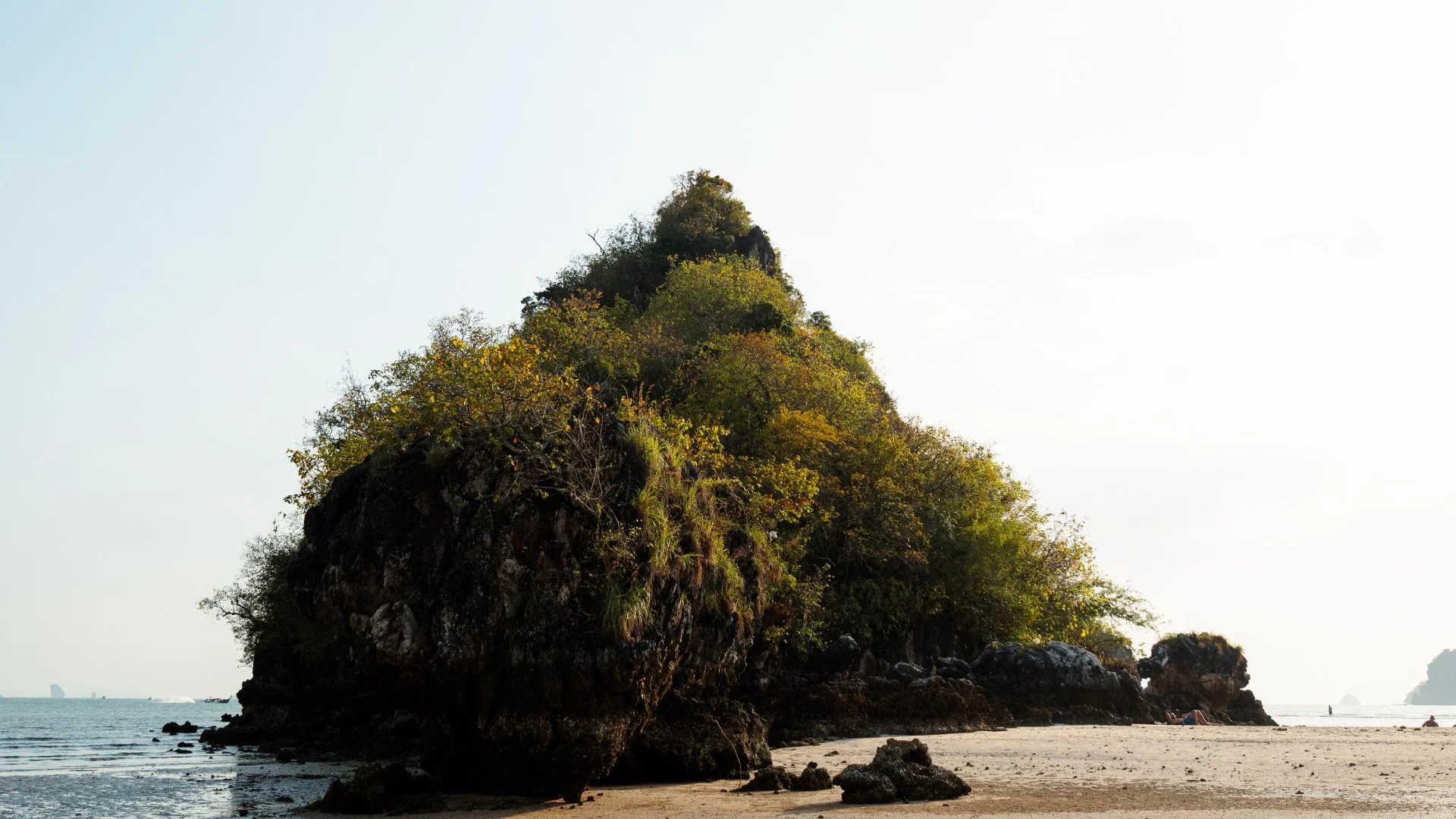
Sunset over Ao Nang Beach in southern Thailand